Establish the baseline
List the agreed assets and areas. Record identifying details such as make, model, serial number and quantity where included in your scope.
A neighborhood shop. A professional practice. A business that travels with you. Know what you have, identify what is affected, and begin the replacement conversation with a clearer record.
Scope your business inventory ↗


Your business may fill a dining room, a single office, a trailer or a salon suite. The things that keep it working deserve a record before you have to remember them under pressure.
Keep Track helps catalog the agreed assets and possessions in your scope. That record becomes a starting point when you need to review what remains, what is missing, and what may need to be replaced.
Broken glass at the entrance. Water across the floor. A storage trailer that is no longer there. In the first hours after an incident, the questions can come quickly.
A dated inventory helps you begin with a record of the details, alongside the incident information and professional assessments you gather.
Choose a business to explore its workspace, equipment and a practical inventory scenario. Select a photograph for a closer look.
The booth your regulars ask for. The range that handles the dinner rush. The artwork that makes the room feel like yours. A restaurant is a working collection of equipment and carefully chosen details. When you have a record of those assets, you have somewhere to begin if an unexpected event interrupts service.
After a kitchen fire, some equipment may be damaged while dining-room furnishings remain usable. A dated inventory helps you separate what is there, what needs assessment, and what may need replacement.
For a bookkeeper, a small office can hold the equipment that supports an entire practice. The laptop you carry to appointments, the scanner beside your desk, the second monitor that makes a busy week manageable: each deserves a place in the record. A home-based office can need the same thoughtful documentation as a larger business.
If a break-in leaves you without a laptop or scanner, an inventory can help identify the missing hardware and its recorded specifications. You can use that starting point to discuss replacements and the interruption with the right professionals.
The conference room where a business takes its next step. The workstations that support a growing team. The copier everyone relies on during a deadline. Documenting the physical assets in your accounting office brings equipment and furnishings into a shared record, including the pieces spread across meeting rooms and individual offices.
After a burst pipe damages several workstations, a baseline record can help your team identify affected equipment by room, model and serial number where documented. That detail supports a more organized replacement discussion.
A contractor’s inventory rarely sits in one room. It travels between the workshop, storage trailer and jobsite. Power tools, measuring devices and specialty equipment represent purchases made job by job. A practical record can help identify the equipment you own and the location assigned to it when you review the inventory.
When a jobsite trailer is broken into, memory alone may miss a tool that was bought months ago. A recorded equipment list helps you compare what remains with the baseline and identify items to report or source again.
The mower loaded first. The trimmer that stays on the trailer. The battery packs charged at the end of the day. Landscaping equipment moves constantly, and smaller purchases can be easy to overlook. Recording the tools and equipment your team uses creates a reference you can revisit as the business changes with the seasons.
If a trailer is stolen or a storage area is vandalized, a clear equipment record helps identify the missing assets and the details a supplier may need when you begin discussing replacements.
Your office may be a bag by the door and a vehicle ready for the next appointment. Professional leads, harnesses, carriers, safety supplies and scheduling devices all support the care you provide. A business inventory helps give those purchases a place in your records, even when you work across several neighborhoods.
After a vehicle break-in or theft of a packed equipment bag, a checklist can help you identify the business supplies that are missing and the items you need to replace before the next appointment.
The grooming table set at just the right height. The clipper set you trust. The dryer that keeps the day moving. A grooming studio combines specialty equipment with everyday supplies and reception furniture. Documenting it as a complete workspace helps you see how much goes into delivering each appointment.
If a fire or water leak damages the studio, an inventory can help distinguish equipment that needs professional assessment from supplies and furnishings that are missing or unusable.
Your chairs, mirrors and lighting help make the salon yours. So do the tools at each station and the equipment behind the scenes. An inventory can bring those assets together with the products and furnishings you choose to include, whether you own a salon, rent a studio or work from an individual suite.
After a flood or break-in, a station-by-station record can help identify which dryers, tools, chairs and devices were affected, and what you need to discuss replacing.
A barber shop is built through repeat visits, trusted service and a space that feels familiar. Its physical assets matter too: substantial chairs, carefully chosen clippers, towel equipment and reception details. Recording those purchases gives the equipment behind your work the attention it deserves.
If vandalism damages chairs and mirrors or a theft removes tools, a current inventory can help you describe what was affected and compare it with what remains in the shop.
You chose the displays, arranged the shelving and built a space around your products. Your record can include the fixtures and equipment you own, together with the selected merchandise you want counted. Keeping those groups clear helps distinguish the assets that run the store from the stock you sell.
After theft or storm damage, a dated record provides a baseline for reviewing affected fixtures and the stock included in the inventory. Purchases, sales and transfers after that date still need to be reconciled.
The first batch out of the oven. The espresso machine warming up. The pastry case ready for the day. A café or bakery brings equipment, furnishings and supplies into a compact but hardworking space. A clear inventory helps organize the physical details behind the products your customers love.
If smoke or water damages your preparation area, recorded equipment details can help you discuss the oven, mixer or display case that needs assessment and identify supplies to replace.
Some tools serve every repair. Others come out for a particular vehicle or diagnostic problem. Lift equipment, scanners, specialty tools and storage can represent a substantial working collection. An inventory helps organize those physical assets by area or equipment group rather than relying on one person to remember them all.
Following a shop break-in or severe storm, a recorded list can help identify missing tools, affected machines and equipment that needs professional assessment before reuse.
A baseline is most useful when you revisit it. Agree on what to document and how you will keep changes in view.
List the agreed assets and areas. Record identifying details such as make, model, serial number and quantity where included in your scope.
Keep track of new purchases, disposals and moves. Retain relevant receipts, warranty details and supporting photographs.
Choose a review rhythm that fits the business. Check the record against what is physically there and note differences.
When it is safe to do so, identify missing or affected assets and organize the details for your insurer, advisors and replacement suppliers.
One incident can affect assets differently. A working review can keep those differences visible as you gather evidence and professional advice.
| Recorded asset | After the incident | Details to confirm | Next conversation |
|---|---|---|---|
| Office laptop | Missing | Recorded model, serial number and purchase records | Report the loss and discuss a suitable replacement |
| Reception display | Damaged | Incident photographs and professional assessment | Discuss repair or replacement after assessment |
| Conference table | Present | Condition compared with the baseline record | Note its status and any further checks needed |
A record supports the review. It does not itself determine insurance payment, replacement cost or whether equipment is safe to use.
Explore the business inventory service and package features in a separate presentation for your team.
Download business pitch deck ↓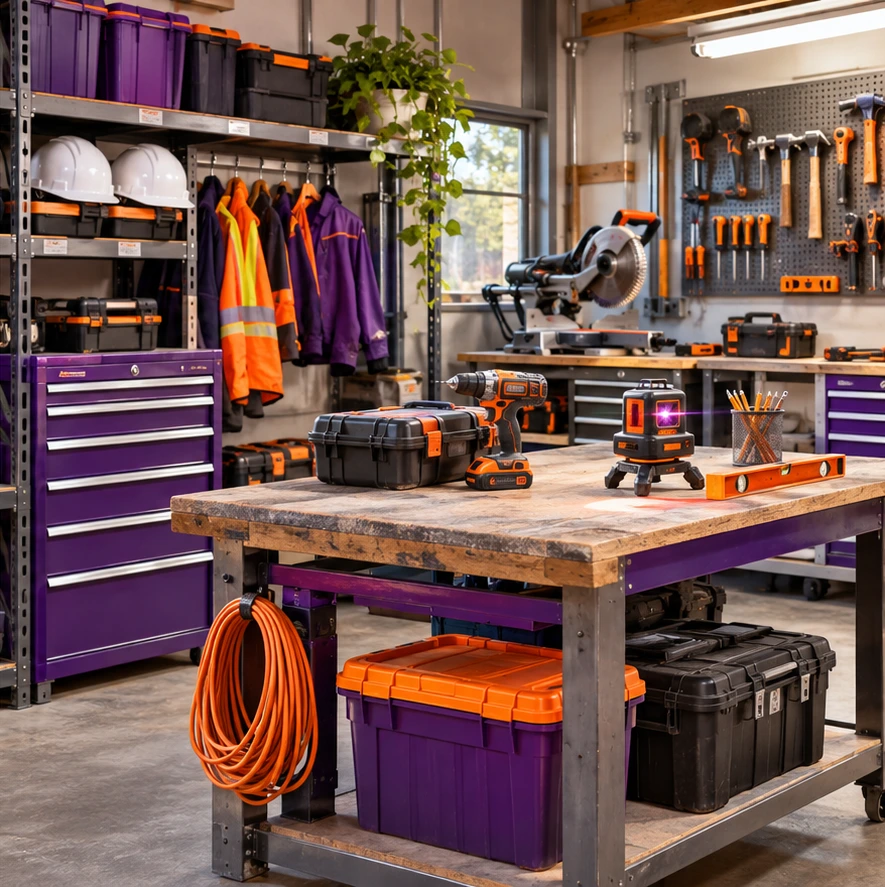
Choose your business type, describe the assets and collections you want included, and select the package that fits your needs.
Business photographs and loss scenarios are illustrative. Your proposal confirms the actual scope of service.